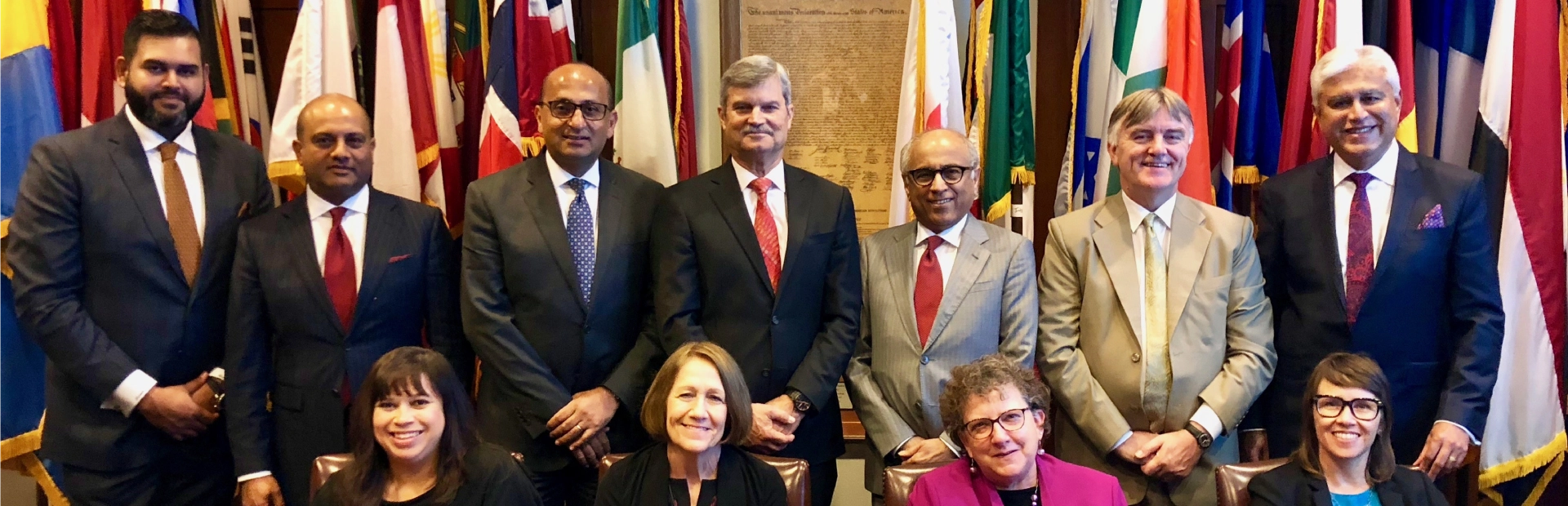
Partners
As part of a large and experienced educational network, the Academies benefit from considerable academic, intellectual and financial support. AKDN, the IB, governments, universities, development agencies and other schools all contribute to innovative and rigorous education at the Academies.
"The Aga Khan Academies are very innovative; these schools are focused on educating future public, private and civil society leaders who can support the development of a democratic, tolerant and pluralistic society."
A 120-year-old Educational Initiative
AKDN opened its first schools in 1905. Its education agency now provides education to nearly one million students from preschoolers to postgraduates, bringing considerable experience to the Academies. The Aga Khan University and the University of Central Asia lend their expertise, while other AKDN agencies also offer input.
"The AKDN... works internationally in highly diverse endeavours – health care and medical science, agricultural development and urban renewal, business and finance, culture and education. These far-flung AKDN programmes can be thought of as part of an extended global campus for the Academies."
Academic Partnerships
AKDN partners closely with the IB, which has similar guiding principles and forms a framework for the Academies’ curriculum. The IB, meanwhile, gains from AKDN’s real-world humanitarian experience.
Partnerships with prestigious universities enable the Academies to benefit from best practices in teaching and learning and innovative approaches to teacher education. Students also benefit from these partnerships through scholarships, domestic fees and more. Learn more here.











See our university partners below.
Working with the Government
The Academies work in harmony with the governing bodies of their host country, currently:
-
Ministry of Education, Science and Technology, Kenya
-
Ministry of Education and Human Development, Mozambique
-
Ministry of Tribal Affairs, Government of India
-
Ministry of Primary and Mass Education, Bangladesh
Locally, they support the nations' educational strategies to help strengthen the quality of education and ensure high standards of practice in teaching and learning.
The network of Academies also benefits from agreements with international and local organisations on areas of mutually beneficial collaboration, such as Agence Française De Développement and the Centro Cultural Franco Moçambicano.